How to Read a Spirits Label: The Story Behind Every Bottle
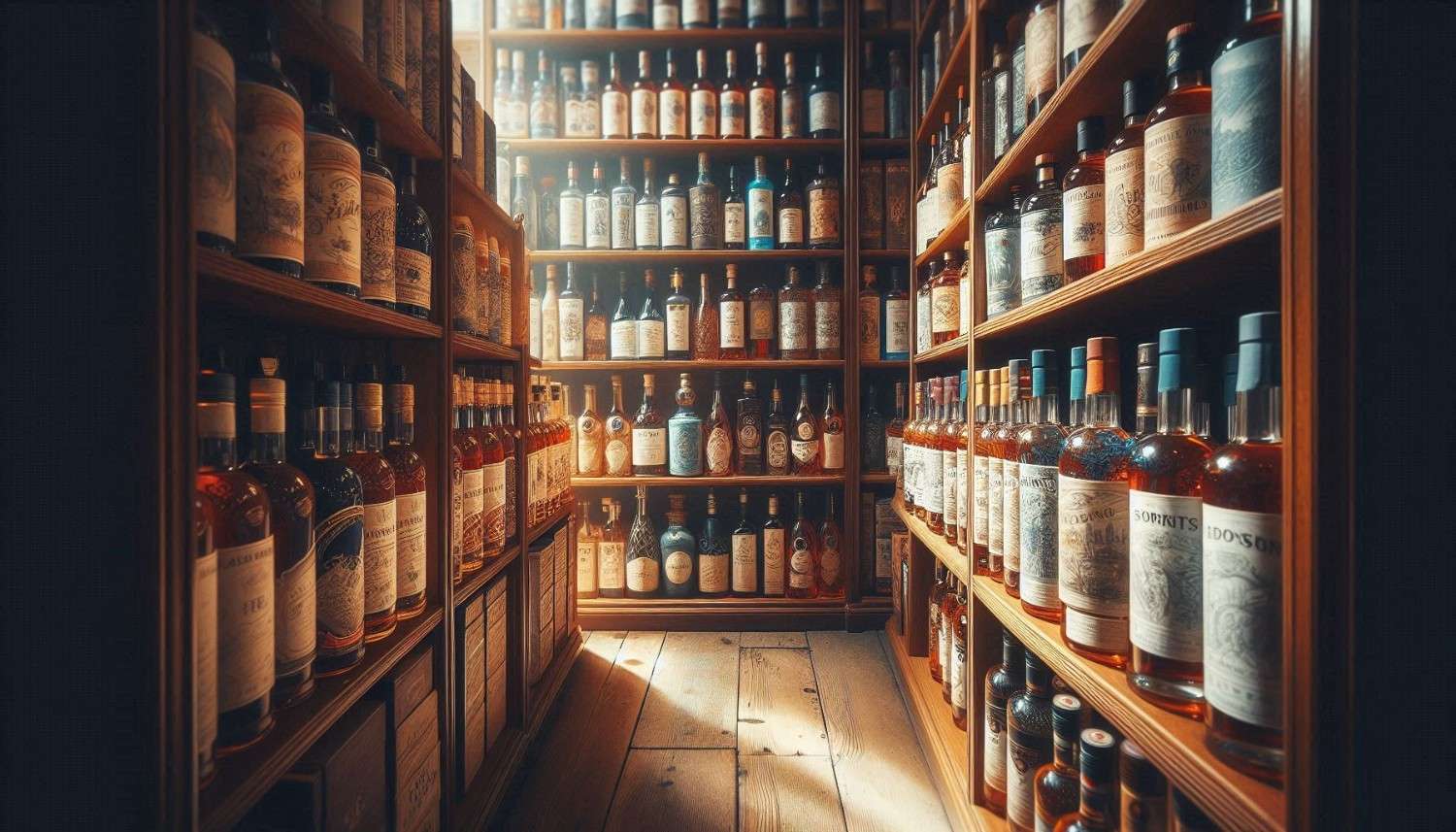
Stepping into a spirits shop is a little like walking into a library. Every bottle sits in quiet confidence, wearing a label that tells part of its story. Some look bold, some look elegant, and others keep their charm hidden until someone takes the time to read. Once you learn how to understand the language printed on these labels, choosing a bottle becomes less of a gamble and more of an adventure.
You begin to recognize who made it, where it was born, how long it rested, and what kind of experience waits in your glass. The moment that clicks, you stop shopping randomly and start exploring with purpose.
Let us unfold the story printed on each bottle.
The Label Is the Map to the Spirit
A spirits label is more than decoration. It is a map. It tells you who crafted the spirit, where it came from, how it was made, and often what it may taste like. The words printed there give clues that guide your expectations before you ever take a sip.
Think of it as a short story:
> The distillery is the author.
> The region sets the backdrop.
> The aging reveals the timeline.
> The cask type adds personality.
> And the ABV hints at intensity.
As soon as you understand these pieces, every bottle begins speaking to you more clearly.
First Things to Notice: ABV, Region, Age, Distillery
When someone picks up a new bottle, their eyes usually catch numbers or place names. These are not random. They all help describe the experience inside.
ABV or Proof
The first number many people notice is ABV (alcohol by volume). It gives a sense of how intense the flavor and warmth might feel. A spirit bottled at 40 percent ABV often feels smooth and relaxed, while one bottled above 50 percent tends to feel bolder, richer, and more concentrated.
This does not mean stronger is better. It simply hints at character. Lower proof spirits can taste gentle and bright, while higher proof versions can feel deeper and more layered.
🌎 Region of Origin
Region is like the hometown of flavor, shaping a spirit long before it reaches the glass. For example, Scotch from Islay often arrives with smoky, sea-kissed personality influenced by coastal air and peat. Tequila from Jalisco usually carries herbal brightness, reflecting the sun-soaked agave fields that raised it. Meanwhile, bourbon from Kentucky often carries warm caramel, because long seasonal swings encourage oak barrels to breathe deeper.
Where a spirit is made can tell you a lot about what to expect before opening the bottle.
Age Statement
The age statement is more than a number. It reflects how long the spirit rested in its barrel, slowly gathering flavor. A 12-year rum likely tastes richer and smoother than a younger version, although younger expressions can still offer lively energy and bright fruit.
Time shapes spirits gently. Some grow bold; others become refined and silky. The label lets you follow that journey.
Distillery Name
The distillery is the name behind the craft. A familiar producer signals consistent style and quality, like seeing a trusted author’s name on a book cover. Smaller brands may surprise you with unique ingredients or traditional methods. Either way, knowing who made your spirit helps you predict personality.
Whiskey labels reveal a world built on grain, oak, and patience.
A few phrases matter a lot here; When a label reads Single Barrel, it means every bottle came from one barrel only. No blending. No mass balancing. One personality. It is like talking with a single storyteller whose voice is completely unique.
If a label reads Small Batch, it means a few barrels were chosen and blended to create harmony. You get balance, depth, and a little more consistency from bottle to bottle.
Some whiskey lists Cask Strength, meaning it was bottled at the strength naturally found in the barrel. Nothing added. Nothing taken away. The experience often feels powerful, flavorful, and rich.
A good whiskey label may also mention the mash bill, or grain recipe. Rye in the mix often brings peppery spice. Wheat may add soft sweetness. Corn provides the cozy foundation bourbon is known for.
Read the label, and you start tasting before you even pour.
A tequila label often reveals heritage and craftsmanship.
The phrase 100 percent agave tells you the flavor comes from pure agave rather than a blend, giving a cleaner expression of the plant itself.
Aging categories matter too
> Blanco stays youthful and bright.
> Reposado spends a short rest in oak, adding warm spice.
> Añejo sits longer, becoming smoother and richer.
> Extra Añejo reflects long patience and polished elegance.
One quiet detail on tequila labels is the NOM number. This number identifies the distillery that made the spirit. Sometimes different brands share the same NOM, meaning they are siblings at the source even if their style differs.
🔹
Mezcal: Wild and CaptivatingMezcal labels often read like poetry. They highlight the agave variety, such as Espadín, Tobalá, or Tepeztate, each offering its own voice. Some are floral, some herbal, some deep and earthy.
The label may mention the village where it was made. These places shape the liquid. Even bottles made only a few miles apart can taste completely different, guided by tradition and the maker’s hand.
Words like Artisanal or Ancestral reflect production style, suggesting slow roasting, stone grinding, and small-batch distillation. When you read a mezcal label, you are learning the story of family, landscape, and tradition.
🔹
Scotch: A Journey Across SeasonsScotch labels center on region and style.
A Single Malt comes from one distillery, made from malted barley. A Blended Scotch combines several whiskies to create balance.
The label may mention the cask influence, such as Sherry Cask or Port Cask, which hints at darker fruit flavors and warm color. If a Scotch comes from Islay, expect smoke. If it comes from Speyside, expect fruit and honey. The label acts as a travel guide through Scotland.
🔹
Rum: From Sugarcane to SpiritRum labels quietly describe the journey from cane field to cask.
The country of origin matters a lot. Rums from Jamaica often feel bold and funky. Those from the Caribbean can feel clean, tropical, or softly spiced.
Some labels mention Pot Still or Column Still. Pot stills tend to produce richer character, while column stills offer smooth lightness.
Aging notes tell you how long the rum rested in barrels, developing flavors that move from gentle vanilla to deep caramel and dried fruit.
🔹
Gin: A Garden of BotanicalsGin labels shine a light on the flavor sources inside. The heart is juniper, but labels often mention other botanicals like citrus, herbs, flowers, or spices.
When a bottle reads London Dry, expect crisp, clean flavor. Other styles may highlight botanicals for a more contemporary expression.
A quick glance can help you imagine whether the gin leans citrusy, herbal, floral, or spicy before you taste it.
Putting It All Together
When you next browse bottles, treat labels like a story rather than a list of facts.
> Start with region to understand the setting.
> Look at age to sense how long the story has been unfolding.
> Check ABV to predict intensity.
> Note distillery and production style to predict personality.
Then let those clues guide your choice.
You begin to notice patterns, preferences, and new directions to explore. Choosing spirits becomes less about guessing and more about discovering.
Final Pour
Learning to read a spirits label is like learning a new language. At first the words feel mysterious, then slowly they become meaningful. You start to understand the spirit before tasting it. You choose bottles with confidence, and your appreciation grows deeper each time you pour.
Before long, your home bar becomes more than a collection of glass. It becomes a gallery of stories, patiently waiting for you to open the next chapter.
If you are ready to explore bottles with clarity and purpose, you can browse a wide range of hand-selected spirits on Royal Batch.
 0
0